
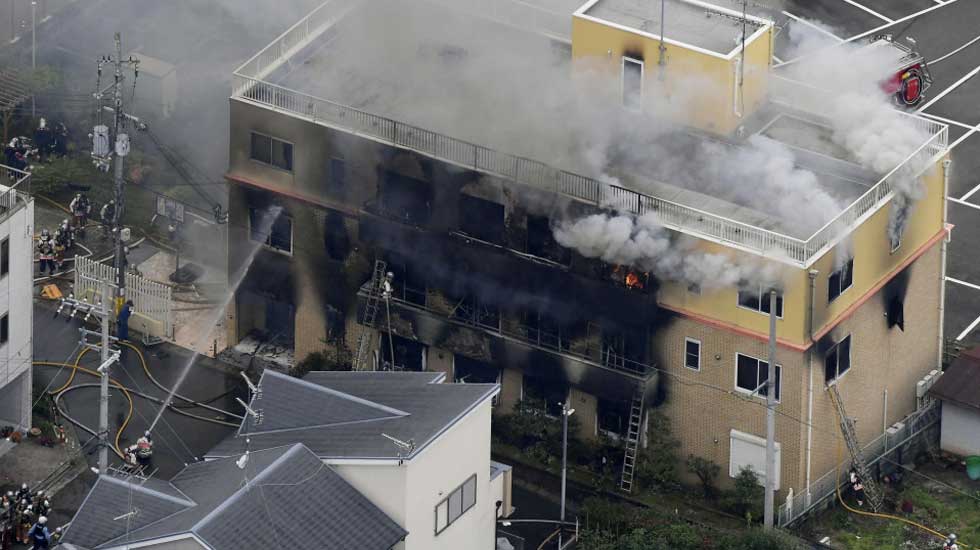
Shinji Aoba, the man convicted of the 2019 arson attack that killed 36 people at Kyoto Animation Co., withdrew his appeal against the death penalty, the Osaka High Court confirmed on Jan 28, 2025.
This cemented Japan’s first capital punishment ruling for a mass-murder case involving over a dozen victims. Aoba, 46, was sentenced to death in January 2024 by the Kyoto District Court.
Aoba’s appeal:
Aoba’s defense team initially filed an appeal in September 2024, contesting the Kyoto District Court’s ruling that deemed him mentally competent to face criminal responsibility.
The defense submitted a psychiatric analysis by a new expert in the appeal, which did not dispute the original medical evaluation but criticized the court’s interpretation of it.
The report argued Aoba’s delusional disorder impaired his ability to distinguish right from wrong, warranting reduced culpability.
Lawyers planned to argue for acquittal or a lighter sentence by asserting Aoba’s mental state rendered him incapable of rational intent.
They claimed his belief that Kyoto Animation stole his novel idea—a claim the studio denied—stemmed from paranoid delusions.
Despite the defense’s efforts, Aoba personally withdrew the appeal this Monday without explanation.
Under Japan’s Code of Criminal Procedure, defendants retain the right to abandon appeals even if their legal team opposes the move. Aoba’s lawyers have not publicly commented, leaving uncertainty over whether they will contest the withdrawal’s validity.
Earlier ruling:
The Kyoto District Court’s ruling emphasized that while Aoba had a diagnosed delusional disorder, he meticulously planned the attack, purchasing gasoline, hammers, and knives weeks in advance.
The court concluded his mental state did not absolve him of responsibility.
Prosecutors said Aoba stormed Kyoto Animation’s Studio 1 at approximately 10:30 a.m. on July 18, 2019, splashing gasoline inside the building and igniting it while 70 employees worked inside.
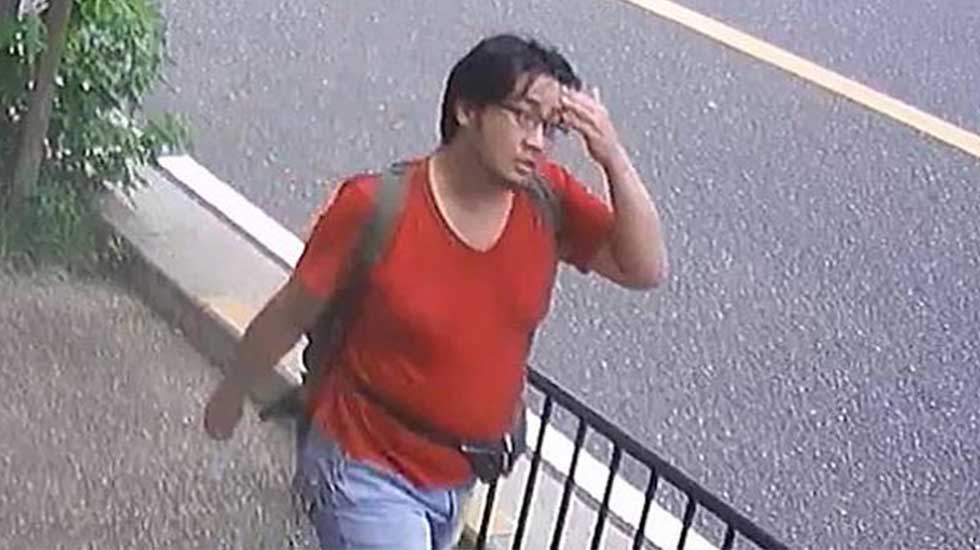
The fire killed 36 staff members and injured 32 others. Aoba, who suffered severe burns, later confessed, claiming he targeted the studio over a delusional belief it plagiarized a novel he submitted to a company contest.
Judge Matsuda, who passed the ruling, pointed out that Aoba had hesitated to commit the crime right before it happened. The judge also acknowledged that Aoba had suffered from delusions based on the psychiatric evaluations carried out post indictment.
However, he stated that Aoba had committed the arson on Kyoto Animation on his own will and that the delusions had no impact on it, labeling the act atrocious and inhumane.
About KyoAni:
Kyoto Animation, known as “KyoAni,” is revered globally for anime classics such as K-On! and The Melancholy of Haruhi Suzumiya.
Kyoto Animation’s productions were initially paused after the attack, and the onset of the pandemic further delayed its projects.
As a fresh comeback from the two-year aftershock of the tragedy, the studio resumed its production activities with the release of the second season of Miss Kobayashi’s Dragon Maid.
Two memorials, as a symbol to honor the arson attack victims, are set to be unveiled on July 18, 2024, in order to mark the 5th anniversary of the incident.
The case has sparked debates over Japan’s death penalty system and mental health evaluations in criminal trials. Aoba’s withdrawal of the appeal marks the end of a five-year legal process, though advocacy groups continue to call for reforms to prevent similar tragedies.
Source: The Japan Times, Kyodo News













![[Exclusive] The Great Indian Anime Show: The Journey Behind India’s First Ever Anime Talk Show](https://animehunch.com/wp-content/uploads/2026/01/Analyst6-150x150.webp)