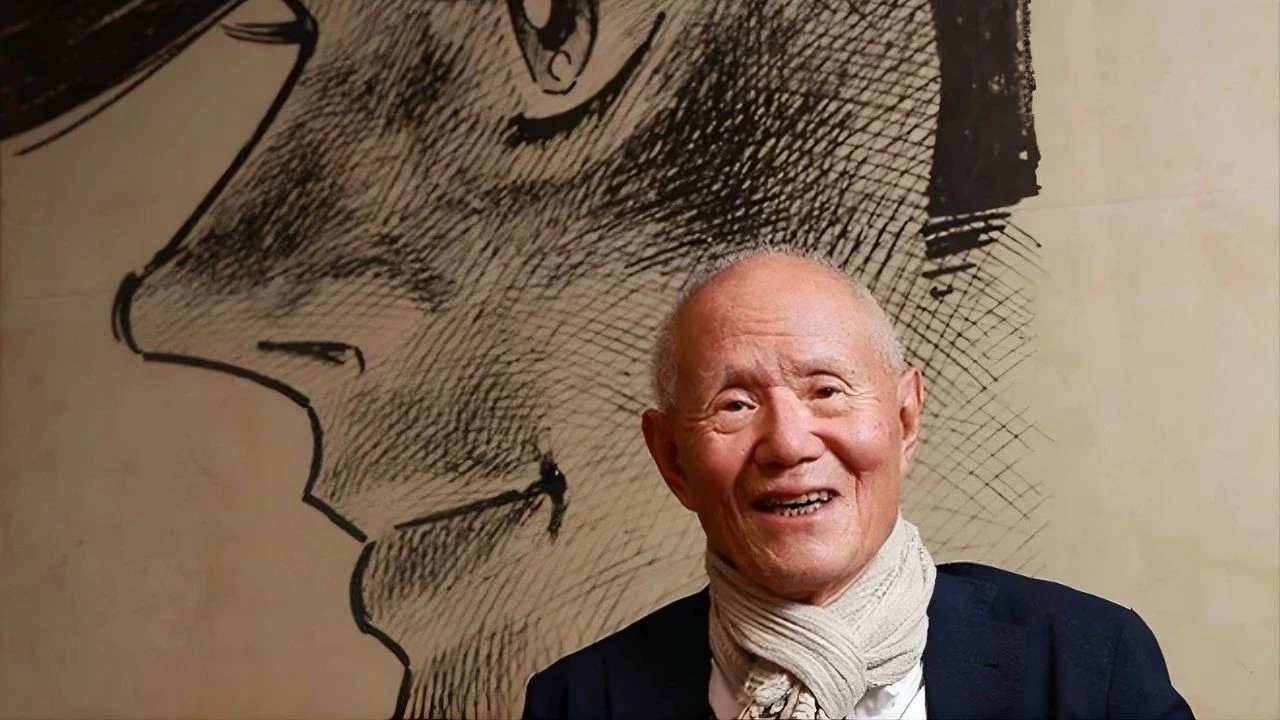
The Japanese manga industry is mourning Tetsuya Chiba, the artist behind Ashita no Joe, following his death on Oct. 22 at the age of 87 due to myelodysplastic syndrome.
Announced on Oct. 27, his passing prompted tributes from creators of Kingdom, Hajime no Ippo and Liar Game, as well as major publishers Kodansha, Shogakukan and Shueisha, who recognized his influence on generations of manga artists.
Chiba’s wife, Sachiko, confirmed his death in a statement published on the official website of Big Comic. She said he died at 6 p.m. on Oct. 22 and expressed gratitude to the readers and industry professionals who had supported him throughout his career.
“To have remained active throughout his 87 years of life and received the support of so many readers over the course of his 70-year career as a manga artist was truly a fortunate life,” she wrote. Sachiko added that the family had held a private funeral and would not accept condolence visits, flowers, gifts or telegrams.
Manga Industry Pays Tribute To Tetsuya Chiba’s Legacy:
Among those remembering Chiba was Kingdom creator Yasuhisa Hara, who said he had met the veteran artist in February and found the news difficult to believe. Hara began his professional career after receiving the Tetsuya Chiba Award, an honor established by Kodansha to support emerging manga artists.
Chiba continued to look out for Hara after his debut, the Kingdom creator recalled.
“His contributions to the manga industry are so immense that I can hardly express my gratitude. Thank you so much, sensei,” Hara added.
George Morikawa, creator of the boxing manga Hajime no Ippo, also shared a message of gratitude, writing, “Thank you very much!”
Shinobu Kaitani, creator of Liar Game, remembered Chiba’s Harris no Kaze as the first of his works to leave a strong impression on him, followed by Ashita no Joe. Kaitani said he had continued to look up to Chiba for both his manga and the way he lived his life.
Nariaki Narita, who is currently serializing the martial arts manga Subaru the Invincible on Shonen Jump+, shared personal memories of Chiba, who had taught at Bunsei University of Art, where Narita studied.
Narita recalled that Chiba readily agreed to serve as an adviser when he was looking for a faculty member to help establish a basketball club. Chiba subsequently attended the club’s matches during university sports festivals.
“I don’t know any manga artist with greater humanity than Tetsuya Chiba,” Narita wrote. “The shock is too great. Another goal in my life has disappeared.”
Ami Shibata, creator of Nangoku Shonen Papuwa-kun, credited Ashita no Joe with influencing how she approached battle scenes in shonen manga. She said scenes from the series would naturally come to mind whenever she struggled with such sequences.
“I learned how important it is to portray not only those who achieve victory but also those who suffer defeat,” Shibata wrote, thanking Chiba for the lessons she learned from his work.
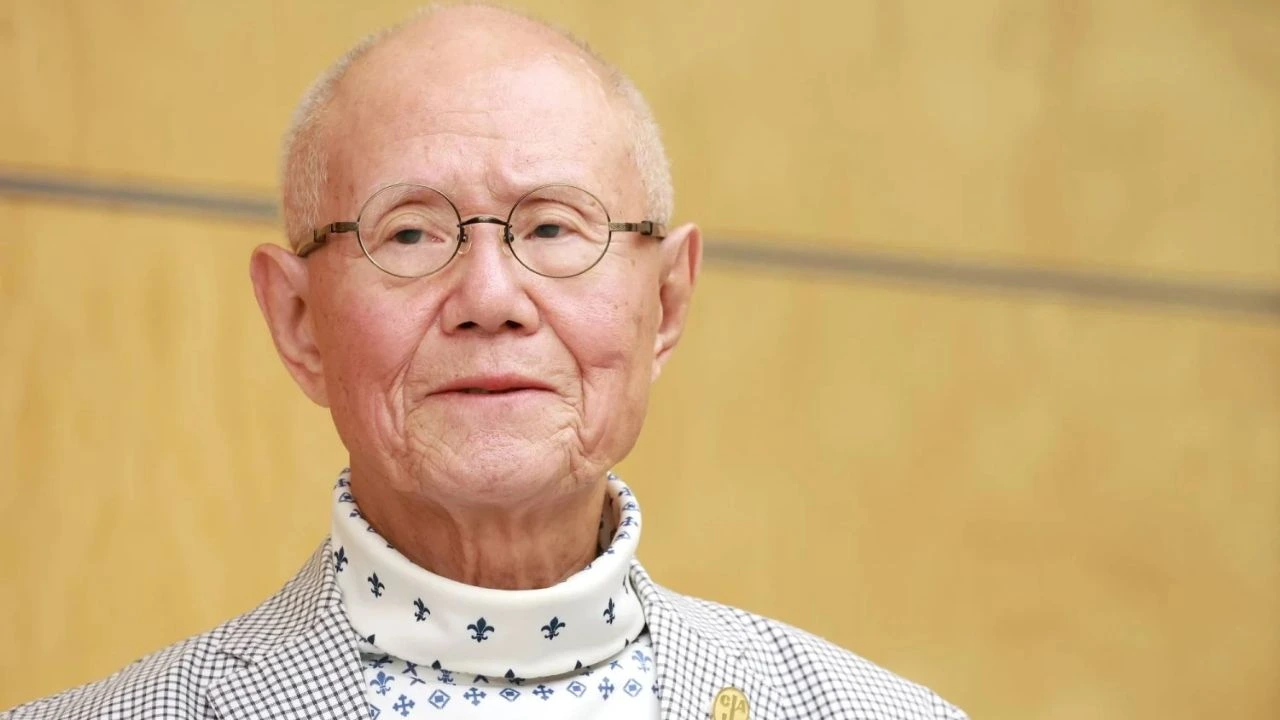
Ashita no Joe publisher Kodansha issued a statement highlighting Chiba’s 70-year career and his influence on aspiring manga artists through the Tetsuya Chiba Award, which has been running for 46 years.
“Throughout his 70-year career as a manga artist, Tetsuya Chiba created numerous masterpieces and possessed boundless love and faith in manga as a form of creative expression. Our newcomer award, the Tetsuya Chiba Award, has been running for 46 years since its establishment. Many aspiring manga artists have taken their first steps toward becoming professionals with Professor Chiba’s words in their hearts, and they continue to thrive in the industry today. His immense contributions to the manga world are irreplaceable,” the publisher stated.
Shogakukan also honored Chiba for helping shape postwar Japanese manga and incorporating a warm regard for humanity and a desire for peace into his work. The publisher said it was considering holding a memorial service and would announce details once they were finalized.
Shueisha, speaking on behalf of its Jump editorial departments, recognized Chiba’s contributions to the development of the manga industry and the nurturing of future generations of artists.
The Weekly Shonen Sunday editorial department also paid tribute to him, noting that he continued working on his manga series Hinemosu Notari Nikki until the end while contributing to the industry’s development.
“Professor Tetsuya Chiba, who created numerous masterpieces and led the manga industry, has passed away. He had a tremendous influence on the creators and editorial staff of Weekly Shonen Sunday. Until the very end, he devoted himself to serializing Hinemosu Notari Nikki at our company, while also making significant contributions to nurturing the next generation of manga artists and advancing the manga industry as a whole. We once again express our deepest respect for his extraordinary achievements and our heartfelt gratitude. We sincerely pray for his soul to rest in peace,” the editorial department stated.
Born in Tokyo on Jan. 11, 1939, Chiba made his professional debut with Fukushu no Semushi Otoko in 1956 and started magazine serialization with Butokai no Shojo in 1958.
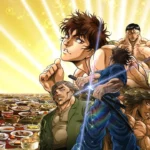
His best-known work, Ashita no Joe, was written by Asao Takamori and illustrated by Chiba. It was serialized in Weekly Shonen Magazine from 1968 to 1973.
His other notable works include Harris no Kaze, I’m Teppei, Ashita Tenki ni Naare and Noritari Matsutaro.