
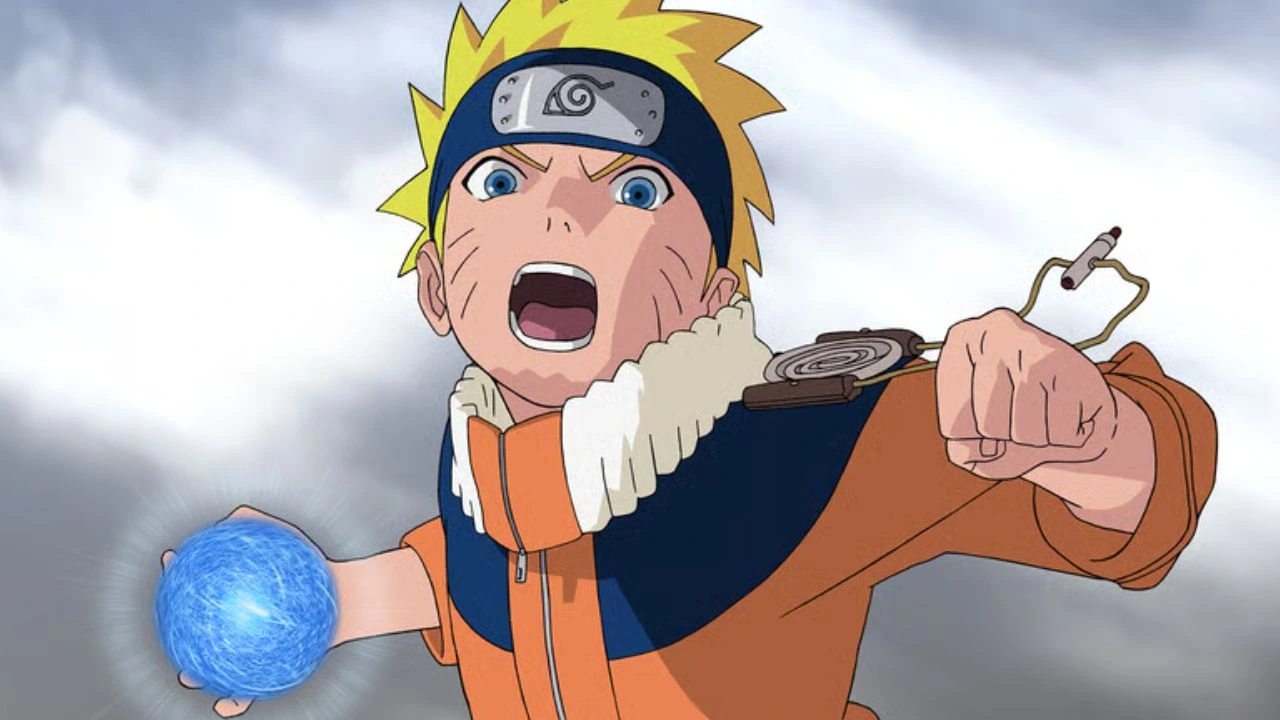
Naruto director Hayato Date has pushed back against the idea of creating anime around overseas preferences, revealing that he completely ignored international audience feedback during the series’ production to preserve the identity of the work.
He revealed this information during a special panel at Anime India, which was held from Aug 28-30 at the NESCO Exhibition Centre in Goregaon, Mumbai. This marked the director’s first official visit to the country.
During the panel, Date was asked what it was like to travel to a country where thousands of fans had grown up watching his work and about the experience of seeing Naruto become a global phenomenon.
RELATED:
Naruto Director Hayato Date Admits That He Now Finds The Anime’s Pacing Quite Slow
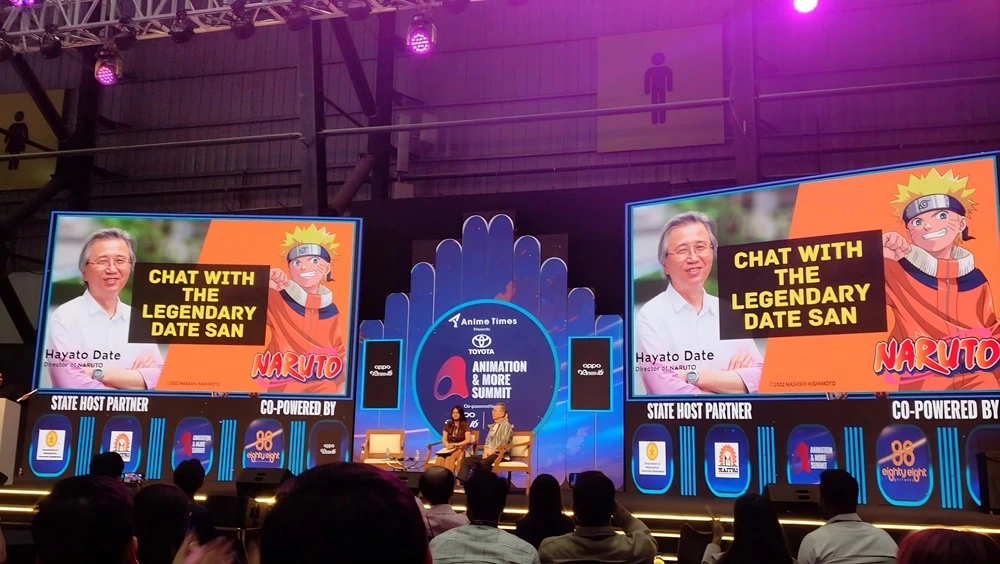
Responding to the question, Date said that he remembered being under pressure to make Naruto anime successful outside Japan during the initial stages.
“To be honest, when we first made Naruto, even then, there was a pressure on me that we have to make this a series that will sell outside Japan as well,” Date said.
The director explained that international interest was already being considered when the anime adaptation was announced. He even received questions from American and other overseas media members at the show’s production press conference.
However, Date ultimately believed that constantly worrying about what international audiences wanted would make it difficult to create the anime.
Instead, he pivoted to determine what would make Naruto successful in Japan, with the production team proceeding with that approach rather than designing the series around international preferences.
“As I mentioned earlier, media members came to the production press conference, and I received questions from Americans and other people from overseas. But I felt that you simply can’t create something if you’re constantly worrying about catering to an overseas audience. So, the primary prerequisite was: ‘What do we need to do to make it popular in Japan first?’ From there, we proceeded to make it like this for Japan.“
This approach became particularly important once Naruto began gaining traction in the United States.
Date recalled that the production team received feedback from the American audience, which included complaints about the series’ use of bladed weapons.
“They started telling us things like they didn’t like bladed weapons. But, if you get rid of the kunai, then it’s just not Naruto anymore, right?”
Rather than alter the series to accommodate those concerns, Date ignored the overseas perspective, wanting to keep Naruto true to its self.
“While we supposedly should have considered the overseas audience’s perspective on that, I completely ignored it. Eventually, it was about how to preserve that authentic ‘Naruto feel’, or rather… I wanted foreigners to see Naruto as it was,” he said.
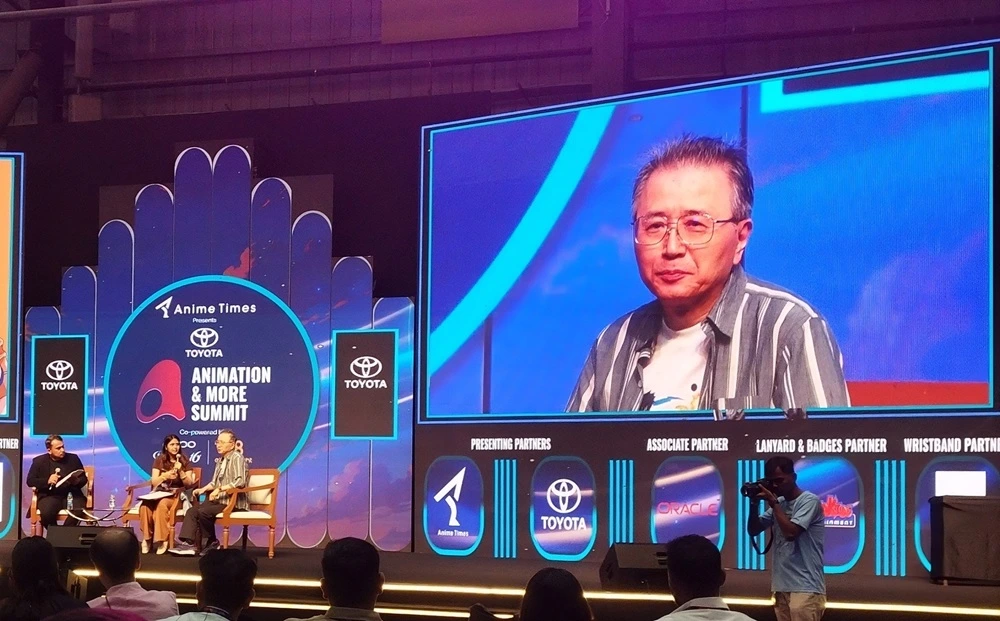
Date also emphasized that this approach was stemmed from his broader philosophy about animation and its audience.
The director revealed that he wants to create works that both children and adults can enjoy together, rather than removing potentially dangerous or unsuitable elements for the sake of making a series more universally accessible.
“When it comes to animation, I want to make works that both adults and children can enjoy watching together, so, I actually think it’s fine if adults watch along with children and just warn [their kids] about anything that might be dangerous.“
Date’s comments come as debates rage on within the anime industry over how much Japanese creators should consider international audiences when developing new works.
Anime’s explosive global growth has made it hard to ignore overseas markets, as they have become increasingly important to Japanese studios and revenues generated by IPs.
While international distribution indeed is a major part of the anime business, some prominent Japanese creators and industry figures, including Hideaki Anno (creator of Neon Genesis Evangelion), Tomohiko Ito (director of Sword Art Online), and Takeshi Natsuno (CEO of Kadokawa), have similarly argued that Japanese works should not sacrifice their identity in an attempt to appeal to everyone.








![[Exclusive] The Great Indian Anime Show: The Journey Behind India’s First Ever Anime Talk Show](https://animehunch.com/wp-content/uploads/2026/01/Analyst6-150x150.webp)






As a western Naruto fan, I don’t think I’ve ever heard as single person complain about bladed weapons in the manga or show. I don’t doubt that some western producer said that, but I don’t think that has ever been something that western audiences cared about at all.